
„За нас“ (“Za nas”, For Us) is a popular Macedonian pop song originally performed by the artist Брејк (Brejk) and later covered by several artists, including the pop-rock band Нокаут (Nokaut). This song is well-loved for its emotional depth and catchy melody.
Before we dive into the lyrics, I recommend you listen to the song to get a feel for it. Try to guess the meaning based on the context and emotion conveyed through the music and tone of the singer. Don’t worry if you don’t understand every word — just focus on the overall vibe!
Текст (tekst) / Lyrics
Те оставам по стоти пат пред себе
а не знам кој сум јас
ти дозволувам да ме лажеш
да раскажеш приказна за нас
[te ostavam po stoti pat pred sebe
a ne znam koj sum jas
ti dozvoluvam da me lažeš
da raskažeš prikazna za nas]
I leave you for the hundredth time before myself
And I don’t know who I am
I let you lie to me
To tell a story about us
И не можам да разберам
а барам одговор
ти ме лажеш без да кажеш еден збор
и без да знаеш правиш да се чувствувам ко
ко да не сум живеел ни еден ден
За нас
[i ne možam da razberam
a baram odgovor
ti me lažeš bez da kažeš eden zbor
i bez da znaeš praviš da se chuvstvuvam ko
ko da ne sum živeel ni eden den
za nas]
And I can’t understand
But I’m searching for an answer
You lie to me without saying a word
And without knowing, you make me feel like
Like I haven’t lived a single day
For us
Понекогаш дозволувам
само за момент да ми влезеш во сон
за да се измиеш / искапеш во чиста љубов
во една друга приказна за нас.
[ponekogaš dozvoluvam
samo za moment da mi vlezeš vo son
za da se izmieš / iskapeš vo chista ljubov
vo edna druga prikazna za nas]
Sometimes I allow
Just for a moment, you to enter my dream
So you can cleanse yourself in pure love
In another story about us
Глаголи (Verbs)
1st person: Јас [jas] – “I”
- Оставам [ostavam] – I leave
Ја оставам книгата на масата. [ja ostavam knigata na masata]
“I leave the book on the table.”
- Знам [znam] – I know
„Не знам каде е книгата“ [ne znam kade e knigata]
“I don’t know where the book is.”
- Дозволувам [dozvoluvam] – I allow
„Не дозволувам да ме лажат.“ [ne dozvoluvam da me lažat]
“I don’t let them lie to me.”
- Можам [možam] – I can
„Не можам да разберам.“ [ne možam da razberam]
“I can’t understand.”
- Разбирам [razbiram] – I understand
„Не разбирам што се случува.“ [ne razbiram što se sluchuva]
“I don’t understand what’s happening.”
- Барам [baram] – I search / I ask for
„Барам одговор“ [baram odgovor]
“I’m searching for an answer.”

- Чувствувам [chuvstvuvam] – I feel
„Се чувствувам* добро.“ [se chuvstvuvam dobro]
“I feel good.”
*Се чувствувам is a reflexive verb:
| 1. Јас се чувствувам | 1. Ние се чувствуваме |
| 2. Ти се чувствуваш | 2. Вие се чувствувате |
| 3. Тој / таа / тоа се чувствува | 3. Тие се чувствуваат |
Second person: Ти [ti] – “You”
- Лажеш [lažeš] – You lie
„Зошто лажеш?“ [zošto lažeš]
“Why are you lying?”
- Раскажеш [raskažeš] – You tell (a story)
„Раскажуваш* интересни приказни“
[raskažuvaš interesni prikazni]
“You’re telling interesting stories”
Раскажуваш is the imperfective aspect of the verb раскаже. It shows an ongoing or habitual action, without focusing on its completion.
When you use the perfective aspect, it indicates that the action will be done or has been done in a specific moment. The focus here is on the completion of the action:
“Сакам да ми раскажеш приказна.”
[sakam da mi raskažeš prikazna]
“I want you to tell me a story.”
Here, “раскажеш” implies that you want the story to be told in its entirety—it’s a completed action. The focus is on the completion of the telling, not on the ongoing process.
- Влезеш [vlezeš] – You enter
– Можеш да влезеш.
[možeš da vlezeš]
You can enter.
→ Here, the verb влезеш is perfective, it refers to the action of entering as a one-time event.
– Секогаш влегуваш од предната врата.
[sekogaš vleguvaš od prednata vrata]
You always enter through the front door.
→ The verb влегува is imperfective, showing a repeated habit or ongoing action of entering.
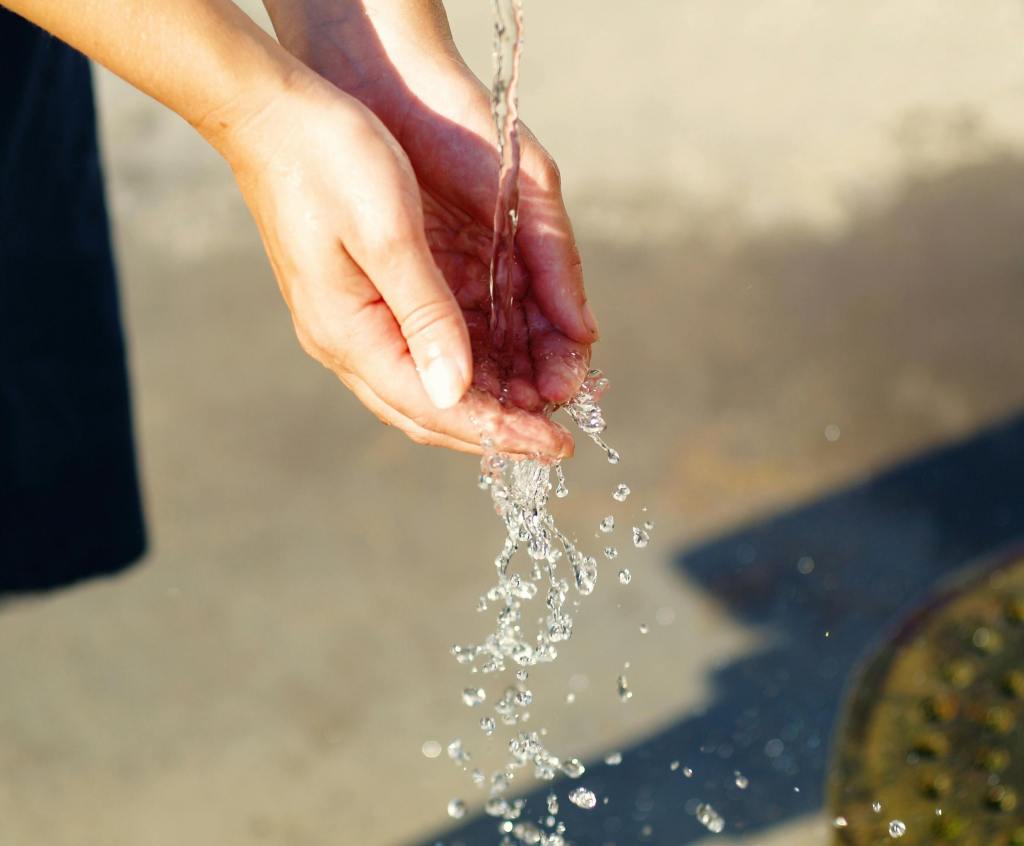
- Се измиеш [se izmieš] – You wash yourself
Мораш да се измиеш пред ручек.
[moraš da se izmieš pred ruchek]
You have to wash yourself before lunch.
→ The verb is perfective. Compare it with its imperfective form се миеш (an ongoing or habitual action of washing oneself)
Се миеш секое утро.
[se mieš sekoe utro]
You wash yourself every morning.
Past Meets Present: Минато неопределено време
- Не сум живеел
[ne sum živeel]
I haven’t lived.
Минато неопределено време (Indefinite Past Tense): This tense is used to describe an action in the past that is connected to the present or whose exact time is not specified. It corresponds to the Present Perfect tense in English (e.g., I haven’t lived). It’s formed with the auxiliary verb сум (to be) in the present tense + past participle of the main verb.
| 1. Јас сум живеел / живеела | 1. Ние сме живееле |
| 2. Ти си живеел / живеела | 2. Вие сте живееле |
| 3. Тој / таа / тоа живеел / живеела живеело | 3. Тие живееле |
NB: The verb to be is not used in the third person (singular and plural).
NB: The main verb agrees in gender and number with the subject (живеел for masculine, живеела for feminine, живеело for neuter, живееле for plural).
- Не сум живеел во Скопје.
[ne sum živeel vo skopje]
I haven’t lived in Skopje. - Сум живеелa на многу места.
[sum živeela na mnogu mesta]
I have lived in many places.
→ Describes experiences without specifying exact times.
Other Vocabulary
- Кој [koj]: “Who” / “Which”
This word agrees in gender and number:
| Gender | Singular | Plural | Example | Translation |
| Masculine | Кој | Кои | Кој е човеков? Кои се луѓево? | Who is this man? Who are these people? |
| Feminine | Која | Кои | Која е женава? Кои се жениве? | Who is this woman? Who are these women? |
| Neuter | Кое | Кои | Кое е детево? Кои се децава? | Who is this child? Who are these children? |
- Ко [ko] – short from како (like, as if)
„Правиш да се чувствувам ко да не сум живеел ни еден ден.“
[praviš da se čuvstvuvam ko da ne sum živeel ni eden den]
“You make me feel like I haven’t lived a single day.”
- Понекогаш [ponekogaš] – Sometimes
Понекогаш возам велосипед.
[ponekogaš vozam velosiped]
“I sometimes ride a bicycle.”
- Само за момент [samo za moment] – Just for a moment
Само за момент го изгубив сигналот.
[samo za moment go izgubiv signalot]
“I lost the signal just for a moment.“
- Чиста љубов [čista ljubov] – Pure love
Ова е чиста љубов.
[ova e chista ljubov]
This is pure love.
- Друга приказна [druga prikazna] – Another story
Тоа е друга приказна.
[toa e druga prikazna]
That’s another story.

Join our Macedonian language community:
Subscribe for bite-sized lessons & cultural insights!
 Macedonian Language Corner